When deciding whether to bag or mulch lawn clippings, mulching is generally the better option for routine lawn maintenance. Leaving finely chopped grass clippings on your lawn returns valuable nutrients to the soil, helps retain moisture, and reduces the time spent collecting and disposing of yard waste.
However, bagging grass clippings can be beneficial in certain situations, particularly when the lawn is wet, overgrown, affected by significant disease, or covered with weeds that have gone to seed.
Both methods have advantages and limitations, and the right choice depends on your lawn's condition, mowing frequency, and maintenance goals.
This guide compares mulching and bagging grass clippings, explains their effects on lawn health, addresses common misconceptions about thatch and disease, and helps you determine which method works best for your lawn.
Mulching vs. Bagging Grass Clippings: What's the Difference?
The main difference between mulching and bagging grass clippings is what happens to the grass after mowing.
Mulching involves cutting grass into small pieces and leaving them on the lawn. These clippings gradually decompose, returning nutrients and organic matter to the soil.
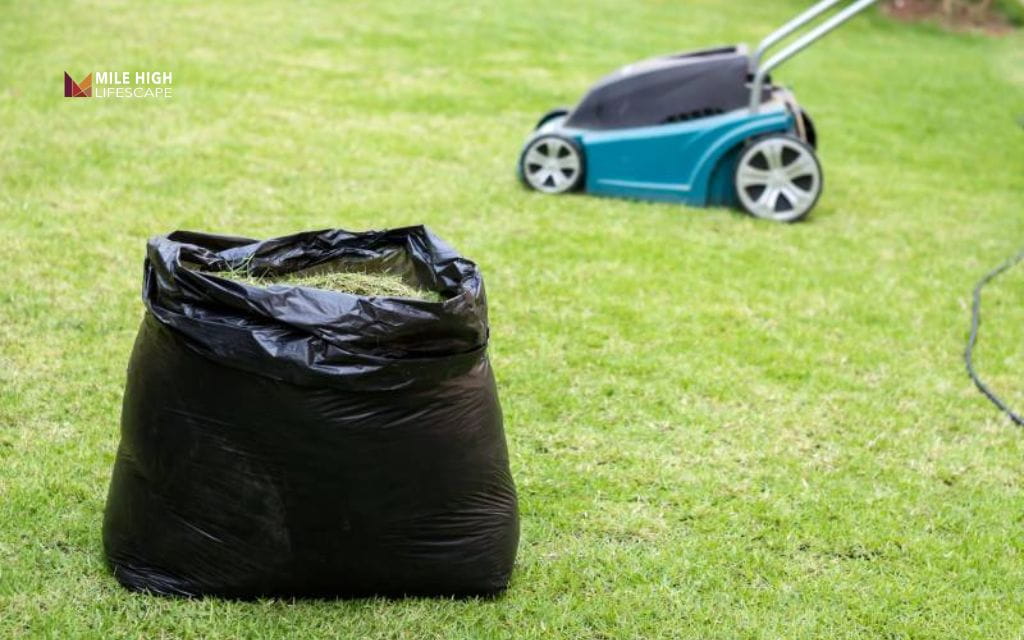
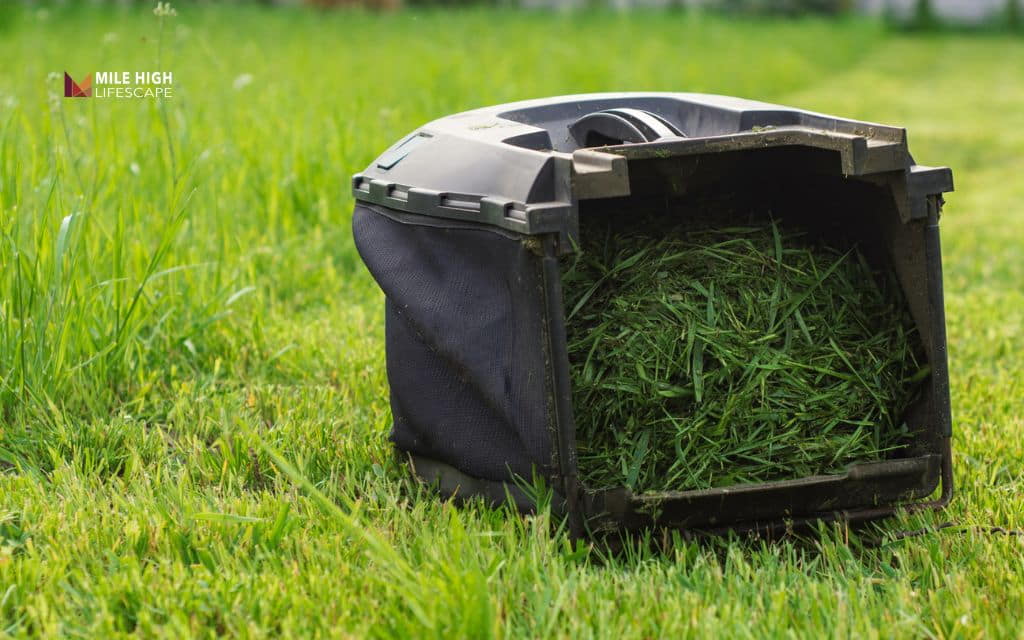
Bagging, on the other hand, involves collecting freshly cut grass in a mower attachment or removing it manually with a rake. The clippings are then composted, reused, or disposed of.
Many modern lawn mowers can perform both functions, allowing homeowners to switch between mulching and bagging depending on lawn conditions.
Time and Effort
Mulching generally requires less time and effort because there is no need to stop mowing to empty a collection bag.
The finely chopped clippings remain on the lawn, eliminating the additional work of transporting and disposing of grass waste.
Bagging requires more effort because homeowners must regularly empty the mower bag and move the collected clippings to a compost pile, yard waste container, or another designated location.
Equipment Requirements
Mulching works best with a mower equipped with a mulching blade or mulching plug. These components help circulate and cut grass into smaller pieces before returning it to the lawn.
Bagging requires a grass collection attachment or additional tools, such as a rake and yard waste container.
Many lawn mowers support both methods, making it relatively easy to change the setup when necessary.
Effects on Lawn Health
Mulching returns nutrients and organic matter to the soil as the clippings decompose. This process can help reduce fertilizer requirements and support healthy grass growth.
Bagging removes these nutrients along with the cut grass. However, collecting clippings can be beneficial when they contain weed seeds or heavily diseased plant material.
Lawn Appearance
Bagging generally produces a cleaner appearance immediately after mowing because loose clippings are removed.
Mulching can provide a similarly neat finish when the grass is dry, mowed regularly, and cut into small pieces.
However, wet or excessively tall grass may produce visible clumps that need to be spread out or collected.
Environmental Impact
Mulching reduces the amount of yard waste requiring collection or disposal. It also returns nutrients to the soil, potentially reducing the need for additional fertilizer.
Bagging creates more material that must be managed, although collected grass clippings can still be composted or reused as mulch in garden beds.
For routine lawn maintenance, mulching is often the more resource-efficient option.
Advantages of Mulching Lawn Clippings
Mulching offers several benefits for homeowners who want to maintain a healthy lawn while reducing maintenance time and waste.
When grass is mowed regularly under suitable conditions, leaving the clippings on the lawn can support soil health and improve overall lawn care efficiency.
Returns Valuable Nutrients to the Soil
Grass clippings contain nutrients that become available to the lawn as the material decomposes.
On a dry-weight basis, grass clippings contain approximately 4% nitrogen, 1% phosphorus, and 2% potassium, although the exact amounts vary.
These nutrients contribute to healthy grass growth and can help reduce the need for supplemental fertilizer.
Returning grass clippings to the lawn may provide a substantial portion of its annual nutrient requirements. Under suitable conditions, recycled clippings can supply up to approximately 25% of a lawn's fertilizer needs.
Helps Maintain Soil Moisture
Grass clippings contain a high percentage of water and break down relatively quickly.
When returned to the lawn in small amounts, they can help reduce moisture loss near the soil surface.
This can be particularly useful during hot, dry weather when maintaining adequate soil moisture is important for healthy turf.
However, grass clippings should not be allowed to accumulate in thick layers because excessive buildup can interfere with airflow and sunlight exposure.
Saves Time During Mowing
Mulching eliminates the need to stop repeatedly to empty a mower bag.
Homeowners can complete routine mowing without collecting, transporting, or disposing of grass clippings.
Depending on lawn size and equipment, mulching can significantly reduce mowing time. Some extension guidance suggests that eliminating clipping collection may reduce the time required for lawn maintenance by as much as one-third.
Reduces Yard Waste
Mulching keeps grass clippings on the property rather than adding them to the yard waste stream.
This reduces the volume of organic material that must be collected, transported, or processed elsewhere.
For homeowners seeking a more sustainable lawn care routine, recycling grass clippings is a simple and practical approach.

Disadvantages of Mulching Lawn Clippings
Although mulching is beneficial for most healthy lawns, it is not always the best approach.
Certain mowing conditions can prevent clippings from decomposing effectively or create problems for the grass beneath them.
Wet Grass Can Form Clumps
Wet grass clippings tend to stick together instead of spreading evenly across the lawn.
These clumps may form thick layers that block sunlight and restrict airflow, potentially damaging the underlying turf.
For the best results, mulch when the grass is dry and the mower can distribute clippings evenly.
If clumps appear, use a rake to spread them out or collect the excess material.
Overgrown Grass Creates Excess Clippings
Mulching is most effective when mowing removes a relatively small portion of each grass blade.
If the lawn has grown too tall, a single mowing session may produce more clippings than the mower can distribute effectively.
Large amounts of clippings can accumulate on the surface, creating an uneven appearance and potentially smothering the grass.
When mowing an overgrown lawn, raise the cutting height and reduce the grass height gradually over multiple sessions.
Mulching May Be Less Suitable During Severe Disease Outbreaks
Grass clippings from a lawn affected by significant fungal disease may contain infected plant material.
Under certain disease conditions, collecting and removing clippings can help reduce the amount of infected debris remaining on the lawn.
However, bagging is not necessary for every lawn disease, and disease management should address underlying issues such as moisture, mowing practices, and turf health.
Visible Clippings May Affect Appearance
When grass is cut too short or too much is removed at once, clippings may remain visible on the lawn.
Although this is often temporary, large clumps can create an uneven appearance.
Maintaining a consistent mowing schedule and using properly maintained equipment can help prevent this issue.
Thatch, Weeds, and Lawn Disease: Common Myths and Facts
Several misconceptions influence whether homeowners choose to bag or mulch lawn clippings.
Understanding the relationship between grass clippings, thatch, weeds, and disease can help you make better lawn care decisions.
Myth 1: Mulching Grass Clippings Causes Thatch
Fact: Properly mulched grass clippings do not significantly contribute to thatch buildup.
Thatch is a layer of partially decomposed organic material that develops between the green grass and the soil surface.
It primarily consists of stems, roots, runners, and other plant structures that decompose relatively slowly.
Grass clippings, however, consist largely of leaf tissue with a high moisture content. They typically break down much faster than the materials responsible for thatch accumulation.
For this reason, regularly returning finely chopped grass clippings to a healthy lawn is not considered a major cause of thatch.
Myth 2: Mulching Always Spreads Lawn Disease
Fact: Mulching does not automatically cause or spread lawn disease.
Healthy lawns can generally benefit from mulched grass clippings without an increased risk of disease when proper mowing practices are followed.
However, if a lawn is experiencing a severe disease outbreak, collecting clippings may help reduce the amount of infected material left behind.
Disease management should also include appropriate watering, mowing height, and other practices that support healthy turf.
Myth 3: Mulching Creates More Weeds
Fact: Mulching does not create weeds, but it may redistribute existing weed seeds.
When weeds have developed mature seed heads, mowing can spread some of those seeds across the lawn.
Collecting clippings from heavily seeded areas may help reduce seed dispersal.
For lawns without significant weed seed production, mulching remains a practical option.
Advantages of Bagging Lawn Clippings
Although mulching is generally preferable for routine mowing, bagging offers several benefits when lawn conditions make leaving clippings behind less desirable.
Collecting grass clippings can improve appearance, simplify cleanup, and help manage certain lawn problems.
Provides a Cleaner Lawn Appearance
Bagging removes freshly cut grass from the lawn immediately after mowing.
This creates a clean, uniform appearance without visible clippings.
It may be particularly useful for homeowners who prefer a carefully maintained lawn or need to prepare their outdoor space for an event.
Prevents Excessive Clipping Buildup
When grass becomes overgrown, mowing can produce a large volume of clippings.
Bagging prevents these cuttings from accumulating in thick layers that may block sunlight and airflow.
This is especially useful when cutting wet grass or mowing after an extended period without maintenance.
Helps Manage Certain Lawn Diseases
Removing infected grass clippings may be beneficial during severe disease outbreaks.
Collecting affected material can reduce the amount of diseased plant tissue remaining on the lawn.
However, bagging alone will not eliminate a lawn disease. Proper diagnosis and treatment remain important.
Reduces the Spread of Weed Seeds
Bagging can help collect mature weed seed heads before they are redistributed during mowing.
This can be useful when a lawn contains large numbers of weeds that have already begun producing seeds.
However, collecting clippings will not remove seeds that have already fallen onto the soil.
Provides Material for Composting
Bagged grass clippings can be reused rather than discarded.
Fresh clippings are rich in nitrogen and can be combined with carbon-rich materials such as dry leaves, shredded cardboard, or wood chips in a compost pile.
Mixing approximately one or two parts dry material with one part grass clippings can help balance the compost mixture, although the ideal ratio varies with the materials used.
Grass clippings should be added in thin layers and mixed thoroughly to prevent compaction and unpleasant odors.
Dried, untreated clippings can also be used as mulch in garden beds when applied in thin layers.

Disadvantages of Bagging Lawn Clippings
Bagging can be helpful in certain situations, but it also creates additional work and removes nutrients that would otherwise return to the lawn.
Before choosing bagging as your regular mowing method, consider these potential disadvantages.
Requires More Time and Effort
Bagging involves additional steps during and after mowing.
Homeowners must stop periodically to empty the mower bag and transport the clippings to a disposal or composting area.
For larger lawns, this extra work can significantly increase maintenance time.
Removes Nutrients From the Lawn
When grass clippings are collected and removed, the nutrients contained in the plant material are removed as well.
Over time, this may increase the need for supplemental fertilizer.
Returning clippings to the lawn can help replace some nutrients naturally, while consistently bagged lawns may require additional fertilization to maintain similar growth.
Creates Additional Yard Waste
Bagging produces organic material that must be composted, reused, or disposed of.
Some communities have specific rules regarding yard waste collection and disposal.
Homeowners should check local requirements before placing grass clippings in household trash or yard waste containers.
Whenever possible, composting or reusing collected clippings is preferable to unnecessary disposal.
Should You Bag or Mulch Lawn Clippings?
The best choice depends on your lawn's condition, mowing schedule, and seasonal growing conditions.
For most healthy lawns, mulching is the preferred routine practice. However, bagging can be useful when excessive clippings, disease, or weed seeds create specific concerns.
When to Mulch Lawn Clippings
Mulching works best when the grass is healthy, relatively dry, and maintained through regular mowing.
A consistent mowing schedule helps ensure that clippings remain short enough to decompose quickly without accumulating on the lawn surface.
Follow the one-third rule, which recommends removing no more than one-third of the grass blade during a single mowing session.
For example, if your target mowing height is 3 inches, mow before the grass grows much taller than approximately 4.5 inches.
Mulching is also beneficial during warm or dry periods because small amounts of returned clippings can help conserve soil moisture.
When the lawn is free from severe disease and mature weed seed heads, there is generally little reason to remove the clippings.
When to Bag Grass Clippings
Bagging is more appropriate when grass is wet, excessively tall, heavily diseased, or producing mature weed seeds.
Wet grass can create large clumps that remain on the surface and potentially damage the turf underneath.
Overgrown grass can also generate more clippings than a mower can distribute evenly.
In these situations, collecting excess material can help prevent buildup.
Bagging may also be beneficial during certain severe disease outbreaks or when weeds have developed mature seed heads.
If your lawn has a thick thatch layer, removing excess surface clippings may make maintenance easier while you address the underlying thatch problem. However, bagging does not remove existing thatch.
Once the lawn returns to normal conditions, you can resume mulching.
When to Bag or Mulch Grass During Different Seasons
Seasonal changes affect grass growth, moisture levels, and mowing frequency.
Adjusting your mowing method throughout the year can help maintain a healthier lawn.
Spring: Grass often grows quickly during spring, making regular mowing especially important. Mulch when the grass is dry and clippings are short. Bag excess clippings when wet conditions cause clumping or when mature weed seeds are present.
Summer: Mulching is generally beneficial during summer because returning small clippings can help conserve moisture and recycle nutrients. Avoid mowing excessively wet grass, and consider bagging during severe disease outbreaks when appropriate.
Fall: Mulching can help manage light leaf accumulation along with grass clippings. However, thick layers of leaves should be collected or reduced gradually to prevent them from blocking sunlight.
After a missed mowing: If the grass becomes overgrown, raise the mower deck and reduce the height gradually over multiple mowing sessions. Collect or spread out large clumps that remain on the lawn.

How to Mulch Lawn Clippings Properly
Proper mowing techniques are essential for getting the most benefits from mulching.
Even healthy grass can develop problems when mowing practices leave excessive clippings on the lawn.
Mow When the Grass Is Dry
Dry grass is easier to cut evenly and is less likely to form clumps.
Whenever possible, wait until dew or rainfall has dried before mowing.
This helps the mower distribute small clippings more evenly across the lawn.
Follow the One-Third Rule
Avoid removing more than one-third of the grass blade during a single mowing session.
Cutting too much at once can stress the lawn and produce excessive clippings.
Maintaining a consistent mowing schedule helps keep the grass at an appropriate height while reducing clipping buildup.
Keep Mower Blades Sharp
Sharp mower blades produce cleaner cuts and help maintain healthy grass.
Dull blades tear the grass rather than cutting it cleanly, which can weaken the turf and increase its vulnerability to environmental stress.
Inspect mower blades regularly and sharpen or replace them when necessary.
Use Proper Mulching Equipment
A mower equipped with a mulching blade or plug can cut grass into smaller pieces before returning the clippings to the lawn.
Smaller clippings are easier to distribute and generally decompose more quickly.
Make sure the mower is properly adjusted and maintained for consistent cutting performance.
Manage Overgrown Grass Gradually
If the lawn has grown too tall, avoid cutting it back to the desired height in a single session.
Raise the mower deck and gradually reduce the grass height over several mowings.
This approach helps minimize stress on the turf and reduces the amount of clippings produced at one time.
Remove or Redistribute Excess Clippings
If large clumps remain after mowing, use a rake to spread them evenly across the lawn.
You can also make a second mowing pass to break up some of the remaining material.
Collect clippings that cannot be distributed without creating thick layers.
These simple practices help prevent smothering and maintain a cleaner lawn appearance.
Conclusion
When deciding whether to bag or mulch lawn clippings, the best method depends on your lawn's condition and maintenance needs.
For most healthy lawns, mulching is the better routine option because it returns nutrients to the soil, helps retain moisture, reduces yard waste, and saves time during mowing.
However, bagging is useful when grass is wet, overgrown, affected by severe disease, or producing mature weed seeds.
By adjusting your approach according to seasonal conditions and following proper mowing practices, you can maintain healthy turf while minimizing unnecessary lawn care work.
For homeowners seeking professional landscaping assistance, Mile High Lifescape provides outdoor maintenance and mulch installation services in Denver and surrounding communities.
Whether you're improving your lawn care routine or planning a landscaping project, our team can help you maintain a healthier, more attractive outdoor space.
Call (303) 877-9091 to learn more about our landscaping services and request a free estimate.


No comments:
Post a Comment